
Film guide · Cardiff lab
Disposable camera developing how it works, what you get back, and where to take yours
Found a Kodak FunSaver in a drawer or shot a Fujifilm QuickSnap at a wedding? Here is exactly how a single use camera becomes a set of digital photos, and how to get yours developed at our Cardiff lab.
- Turnaround
- A few working days
- Formats
- 35mm · C-41 · B&W
- Delivered
- Private gallery
- Drop-off
- Morgan Arcade
01 · The basics
What is a disposable camera?
A disposable (or "single use") camera is a sealed plastic body with a single roll of 35mm colour film pre-loaded inside, usually 27 exposures, or some Kodak FunSavers now offer a 39 exposure option. There is a fixed focus lens, a mechanical wind wheel and a small flash. Once you have shot the roll, the whole camera goes to the lab.
The film inside is standard C-41 colour negative film, so it is developed on exactly the same machines as any other 35mm roll. The only difference is that the lab has to open the camera and extract the cartridge first.
02 · In store now
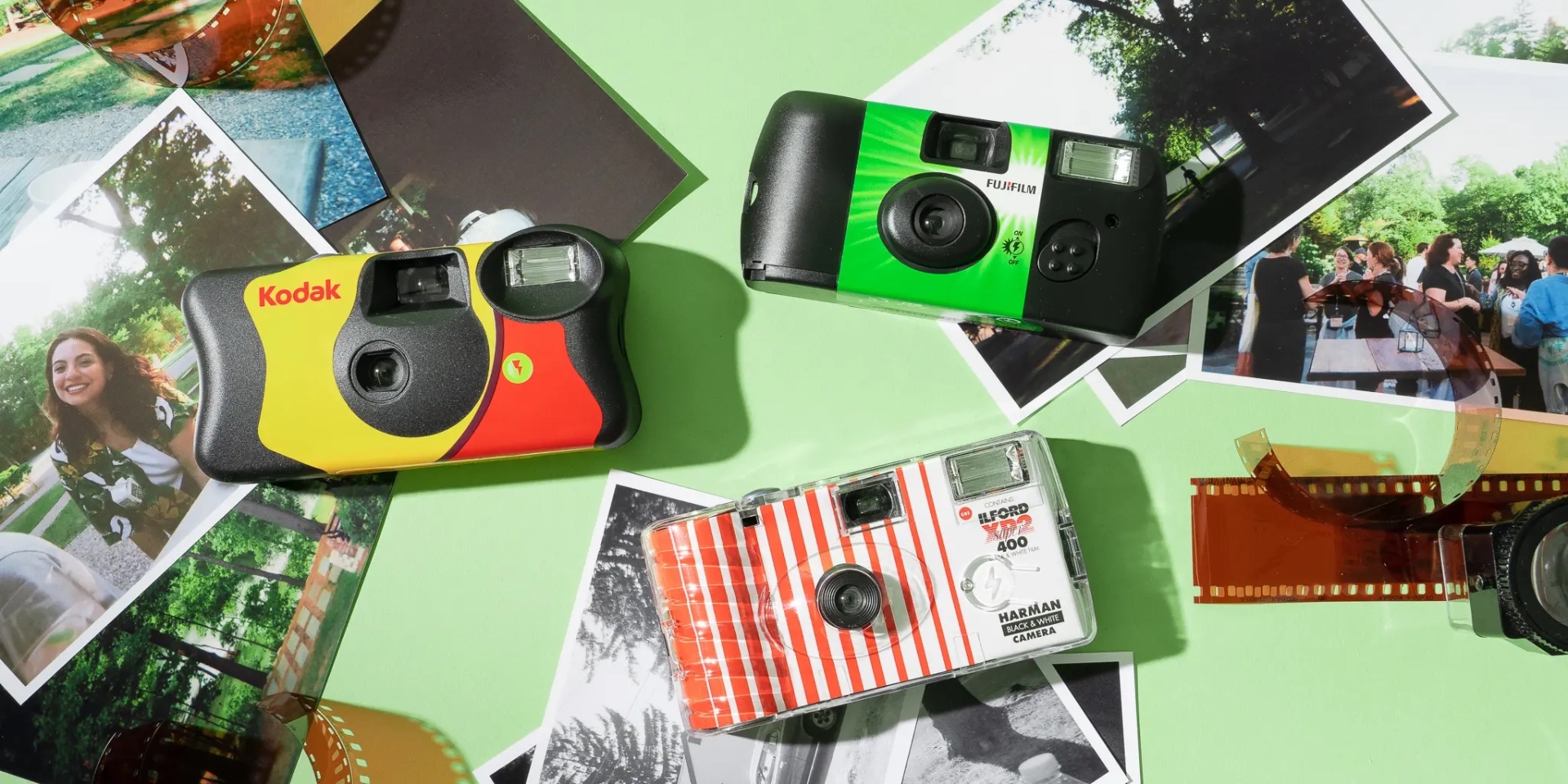
Disposable cameras we sell & stock
Pick one up from our shop in Morgan Arcade, shoot the roll, then bring the same camera back to us to be developed and scanned. Availability varies week to week, call ahead if you need a specific one.
Kodak FunSaver
Colour · C-41
The one everyone knows. Golden skin tones, forgiving latitude and now available in a 39 shot version.
- Exposures
- 27 or 39
- Flash
- Built-in
- Look
- Warm, punchy Kodak colour the classic party camera.
Kodak Tri-X Disposable
Black & white · C-41 process
Classic Tri-X look without the darkroom. Perfect for street, gigs and documentary style shooting.
- Exposures
- 27
- Flash
- Built-in
- Look
- Grainy, moody black & white in a point and shoot body.
Fujifilm QuickSnap
Colour · C-41
Reliable, sharp little camera with Fuji's natural colour science. A festival and beach favourite.
- Exposures
- 27
- Flash
- Built-in
- Look
- Cooler, greener Fuji palette, great for daylight and holidays.
Ilford XP2 , Harman Disposable
Black & white · C-41
XP2 is the B&W film that runs through a C-41 lab, so turnaround matches colour rolls.
- Exposures
- 27
- Flash
- Built-in
- Look
- Smooth, silvery B&W developed on standard colour chemistry.
Ilford HP5, Harman Disposable
Black & white · true B&W
Loaded with HP5+, the working photographer's B&W stock. Beautiful contrast and gritty grain.
- Exposures
- 27
- Flash
- Built-in
- Look
- Proper traditional black and white with real HP5 grain.
03 · Options
Where to get disposable cameras developed
High street chemists that used to develop film in house mostly stopped years ago. Today you have three realistic options:
A dedicated film lab
Best quality
Processed on site, scanned by a technician, usually returned within a few working days. This is what we do at Camera Centre UK in Cardiff.
A mail order lab
If you're remote
You post the camera and wait. Convenient if you are nowhere near a lab, but you lose the camera in the post for a week or two.
A chain store drop off
Cheap
Some supermarket / chain stores still accept film but ship it out to a central processor. But you rarely speak to the person actually developing it, turnarounds with them are around 3–8 weeks.
If you are anywhere near South Wales, bring the camera to our shop in Cardiff. See the contact page for the address and opening hours.
04 · Behind the scenes
How a disposable camera is processed in the lab
Tap a step to see what happens.
Intake
Our in store team fills out a docket with your Name, Phone number and Email, then locates or creates your account. You'll be asked how you'd like the scans (standard or ultra high resolution) and whether you want prints or the negatives returned.
Step 1 of 5
05 · What you get
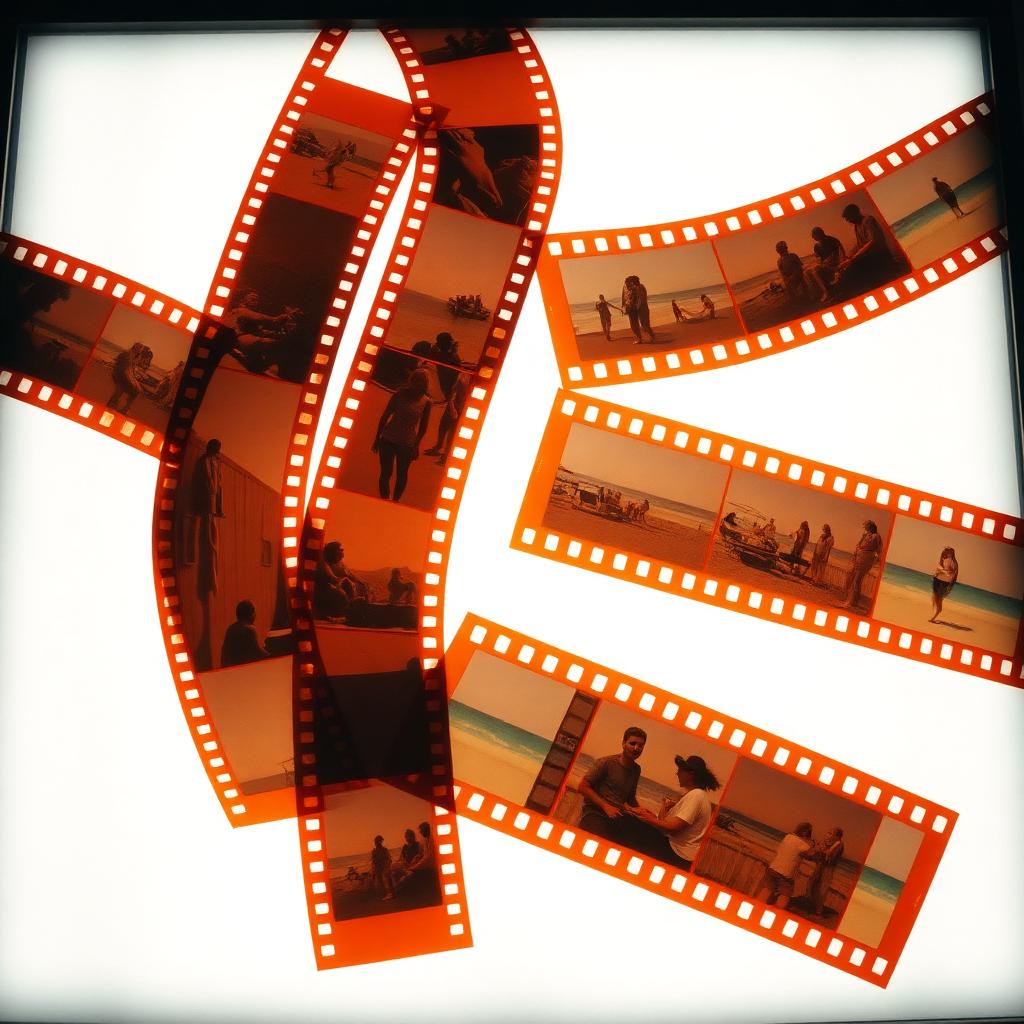
Scans, prints and negatives what to ask for
| Option | Best for | Notes |
|---|---|---|
| Standard scans | Instagram, phone backups, small prints | Roughly 5MP JPEGs, plenty for on screen |
| High resolution scans | Larger prints, archiving, editing | Bigger files, more detail from the frame |
| 6x4 prints | Something physical to hand round | Ordered per set at intake |
| Return negatives | Archiving, re-scanning later | Free to keep, sleeved and labelled |
Full up to date rates for developing, scanning and prints live on the pricing page.
06 · Timing
Turnaround & how you follow progress
Most disposable cameras are developed, scanned and published within a few working days. Once your camera is in the lab you can follow every step, received, developing, scanning, ready, in the customer portal, and you get an email as soon as your gallery is live.
Can't get to Cardiff? You can now post your disposable cameras to us: place and pay for a postal order online, then send them in with your reference number inside. For in-store drop off, our team writes up the order at the counter so we can confirm exactly how you want the film handled. See how our film developing service works for the full workflow.
07 · Before you drop off
Tips before you drop your camera off
Wind on to the end
If the wind wheel still clicks and turns, you probably have frames left. Fire them off or wind fully so the roll can be safely extracted.
Do not open the camera
Opening it in daylight exposes and ruins the film. Bring it to the lab intact.
Old cameras are usually fine
Disposables shot 5, 10, even 20+ years ago will normally still yield images. Colour shifts and softer grain are part of the charm.
Waterproof cameras
Tell us at intake, they are opened slightly differently.
Bring more than one
Multiple cameras from the same trip or wedding can be batched into one order and one gallery.
Note anything special
Wedding roll? Roll from a passed loved one? Tell us at intake, we'll handle it with extra care.
08 · FAQ
Disposable camera developing FAQ
Yes. Colour negative film is remarkably tolerant. Rolls from the early 2000s or older regularly produce usable images, with a slight colour shift and a little extra grain.
Blank frames usually mean the flash did not fire or the scene was too dark for the fixed shutter speed. It is not a lab issue, we only bill for the film we process, and we tell you at intake if a roll looks damaged.
Yes. Kodak Sport and Fujifilm QuickSnap Waterproof both use standard C-41 film inside a sealed housing. Just flag it at intake so we open it correctly.
We are set up for in store drop off in Cardiff rather than a postal service. If you can get the camera to the shop, we will handle everything from there. (we are looking into offering a postal service, we will keep you updated)
No. If you do not have one, you can create it at intake or wait until you get an invite email. Once the account is created your scans will be stored in a private gallery you can view, download and share.
Ilford XP2 gets you B&W images with colour lab turnaround. Ilford HP5 and Kodak Tri-X disposables give a more traditional grainy B&W look, perfect for street, gigs and documentary.
Ready to develop yours?
Bring your disposable camera to our Cardiff shop. We will log it, develop it, scan it and publish your gallery, usually within a few working days.